Microneedling vs. Chemical Peel: Which Is Better for Your Skin?

Want smoother, brighter, younger-looking skin but aren’t sure which treatment to choose? Most people do! Two popular options for improving skin texture and appearance are microneedling and chemical peels. Both can deliver beautiful results, but they work differently.
If you’re comparing microneedling vs chemical peel treatments, understanding their benefits can help you make the right choice.
At Magnolia Medical & Aesthetics in San Antonio, TX, we’re here to help you explore your options and discover what works best for your skin.


Microneedling vs Chemical Peel: What’s the Difference?
The biggest difference between microneedling vs chemical peel treatment is their mechanism of action and depth. Although both treatments improve skin appearance, their approaches are different. Microneedling primarily stimulates collagen production beneath the skin’s surface. It’s often preferred for acne scarring, texture concerns, and early signs of aging.
Chemical peels focus on exfoliation and skin renewal. They’re particularly helpful for certain pigmentation concerns, dullness, and superficial imperfections. Recovery time also varies. Microneedling commonly causes temporary redness, while chemical peels may involve several days of peeling. Deeper treatments can require longer recovery.
What Is Microneedling?
Microneedling is a minimally invasive treatment that uses tiny, sterile needles to create controlled micro-injuries in the skin. This process stimulates your body’s natural healing response and encourages collagen production.
As collagen develops, your skin can gradually become smoother, firmer, and more even in texture.
Microneedling may be ideal for:
- Overall skin rejuvenation
- Mild skin laxity
- Enlarged pores
- Fine lines and wrinkles
- Acne scars and uneven skin texture
Results develop gradually, and multiple treatments may be recommended depending on your skin concerns.
What Is a Chemical Peel?
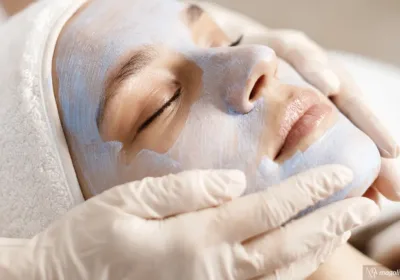
A chemical peel uses a carefully selected solution to exfoliate the skin and remove damaged surface layers. This encourages skin renewal, revealing a fresher, smoother complexion. Chemical peels come in different strengths, from gentle superficial peels to more intensive treatments.
Chemical peels may be ideal for:
- Rough or dry skin texture
- Mild acne and clogged pores
- Sun damaged and dark spots
- Dull or uneven skin tone
- Fine lines
Depending on the peel’s strength, you might experience mild flaking or more noticeable peeling during recovery.
Which Treatment Is Better for Your Skin Type?
The answer depends on your skin type, concerns, and desired results. For example, someone struggling with acne scars might benefit more from microneedling. Meanwhile, someone concerned about dullness or superficial discoloration might prefer a chemical peel.
However, both treatments require careful consideration for sensitive skin and darker skin tones because irritation can trigger pigmentation changes. That’s why a professional skin assessment is so important.
Can You Combine Microneedling and Chemical Peels?
Yes! Some treatment plans incorporate both procedures to address multiple concerns. However, these treatments shouldn’t automatically be performed together. Proper spacing allows your skin to heal and reduces unnecessary irritation. Your provider can recommend a safe schedule based on your skin’s condition and treatment goals.
Discover Your Best Skin at Magnolia Medical & Aesthetics
Still deciding between microneedling vs chemical peel treatments? We can help! At Magnolia Medical & Aesthetics in San Antonio, TX, our team can help you understand your skin concerns and explore suitable rejuvenation options. Whether you’re hoping to improve texture, minimize visible imperfections, or restore a healthy-looking glow, personalized guidance makes all the difference.
Ready to give your skin some extra attention? Contact Magnolia Medical & Aesthetics today to schedule your consultation!
You may also enjoy reading: How long do dermal fillers last?

Related Posts
Can You Get a Chemical Peel in the Summer? What San Antonio Patients Should Know
Summer in San Antonio means sunshine, pool days, vacations, and plenty of time outdoors. But if smoother, brighter skin…

Honey Dew Facial Combined with Cryotherapy: The Secret to Brighter, Firmer, Glowing Skin
If you've been searching for a facial that leaves your skin feeling deeply hydrated, incredibly smooth, and visibly radiant,…

Want Better Skin? Start with These Skincare Tips
If you're looking for effective skincare tips for better skin, establishing a consistent daily skincare routine is one of…