
Laser Skin Resurfacing vs. Chemical Peels: Which Is Better?
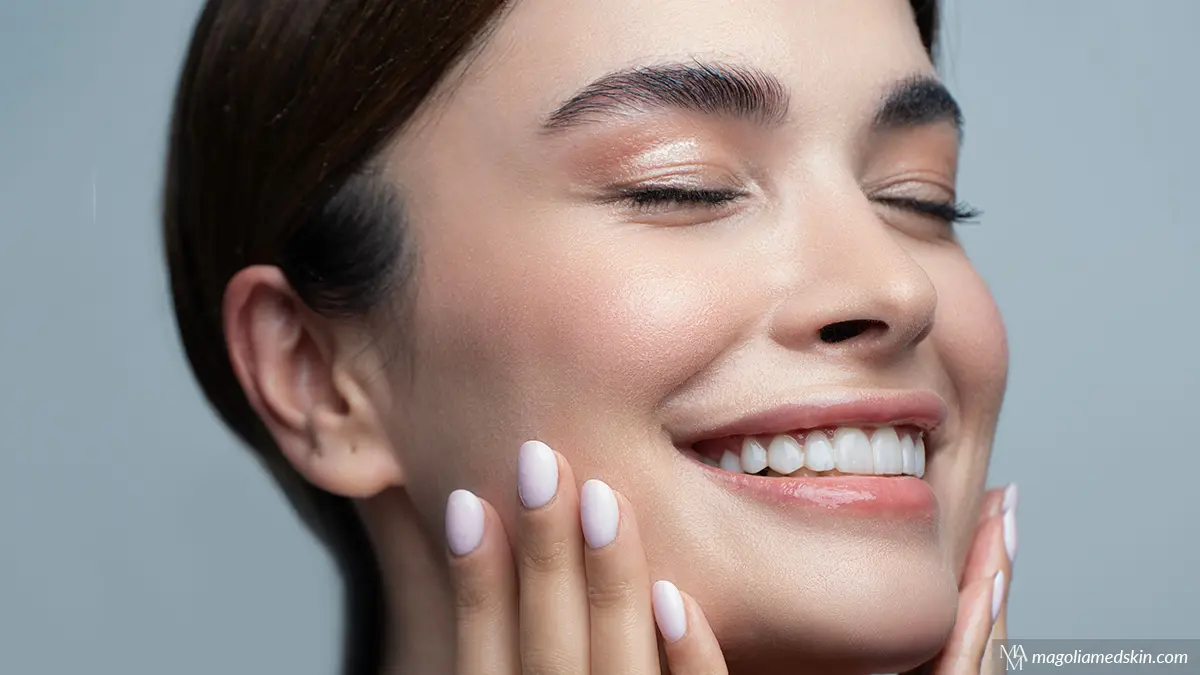

When comparing laser skin resurfacing vs chemical peels, both procedures can dramatically improve your skin. But the right choice depends on your skin concerns, lifestyle, and skin tone.
At Magnolia Medical & Aesthetics in San Antonio, TX, personalized treatment plans are designed around your unique skin type and aesthetic goals. Whether you’re looking to reduce fine lines, fade sun damage, improve acne scars, or restore a radiant complexion, understanding the differences between these treatments can help you make an informed decision.



What Is Laser Resurfacing?
Laser skin resurfacing uses focused light energy to encourage skin repair and boost collagen production. It’s used to treat mild skin laxity, enlarged pores, uneven skin texture, acne scars, age spots, fine lines, sun damage, and wrinkles. As your skin heals, it becomes more youthful, smoother and firmer in appearance.
Ablative lasers are more aggressive than non-ablative and can produce dramatic results with just a single treatment. The trade-off for these dramatic results is that you will need up to a week of downtime to heal. But if you’re looking to significantly rejuvenate your skin in a short period of time, ablative lasers could be a great choice.

What Are Chemical Peels?
Chemical peels use specifically formulated acids to exfoliate the top layers of the skin. This is a controlled process that allows new skin to grow in its place. There are different types of chemical peels. Deeper peels give more noticeable results. But they also have higher risks and have a longer healing time than light or medium peels.
This treatment can effective improve rough skin texture, melasma, mild acne scars, uneven pigmentation, and dull skin. There are light lunchtime peels with minimum downtime. However, deeper peels require a longer recover period. But you should avoid direct sunlight after getting each type of peels.
Laser Skin Resurfacing vs Chemical Peels: The Key Differences
When comparing laser skin resurfacing vs chemical peels, several factors should be considered. For example, desired downtime, depth of treatment, precision, and what it’s best used for.
1. Downtime
Based on the treatment intensity, recovery varies. And depending on the laser used, laser skin resurfacing may require several days to two weeks of healing.
2. Precision
To be able to target specific areas while leaving surrounding tissue unaffected, laser skin resurfacing is used. It’s particularly helpful for treating deeper skin imperfections, acne scars, and wrinkles. In contrast, chemical peels usually treat the entire area uniformly. As a result, they are great for improving overall surface texture and skin tone.
3. Depth of Treatment
To simulate collagen remodeling, laser treatments can reach deeper layers of the skin. On the other hand, chemical peels typically work by exfoliating the skin’s surface. However, medium and deep peels can penetrate further depending on the formulation used.
Which Treatment Produces Better Results?
Honestly? There is no single winner in the laser skin resurfacing vs chemical peels discussion because every patient’s skin is different. In general though, laser skin resurfacing provides more long-term, dramatic improvements for collagen rebuilding, deeper wrinkles, and acne scars.
In contrast, chemical peels are great for maintaining a health complexion, refreshing the skin, and improving pigmentation with less downtime. But many patients actually benefit from incorporating both treatments into a customized skincare plan over time.
Which Is Better for Acne Scars and Sun Damage?
For acne scars, laser skin resurfacing typically delivers excellent results because it stimulates collagen beneath depressed scars. Superficial chemical peels prove improved discoloration but may not drastically improve deeper scar tissues.
When it comes to sun damaged skin, both treatments are effective. Laser skin resurfacing removes damaged skin while improving collagen and wrinkles. Chemical peels are highly effective at reducing uneven skin tone, pigmentation, and age spots. But treatment recommendations depend on the severity of the damage. And for both treatments, a professional skin evaluation can better determine which approach is most appropriate for your individual needs.
Why Choose Magnolia Medical & Aesthetics in San Antonio?
Choose the right provider is equally important as choosing the right treatment. At Magnolia Medical & Aesthetics in San Antonio, TX, every patient receives a comprehensive consultation to determine whether laser skin resurfacing, chemical peels, or a combination of treatments will best achieve their desired results.
Rather than recommending a generic solution, the experienced aesthetic team develops customized treatment plans designed around your skin’s unique needs. Our focus is on helping patients achieve healthier, smoother, and naturally beautiful skin while prioritizing safety, comfort, and long-lasting results.
You may also enjoy reading: Lip Pop with Botox

Related Posts
Facts About Laser Hair Removal You Should Know Before Treatment
Between tweezing, shaving, and waxing, unwanted hair can be frustrating and time-consuming to remove, not to mention, expensive. Luckily,…

Smooth Skin, Zero Hassle: Why Laser Hair Removal Is Worth It at Magnolia Medical & Aesthetics
For most people, especially women, shaving and waxing their legs seems like a dated process. If you feel the…
Discover the Transformative Power of Erbium Laser Resurfacing at Magnolia Medical & Aesthetics Med Spa
When it comes to restoring youthful, radiant skin, erbium laser resurfacing stands out as one of the most advanced…